DWI Defense
People from all walks of life are arrested for DWI: pillars ...
Serving Hidalgo, Cameron, Nueces and Surrounding Counties
Every Client Deserves First Rate Legal Representation, so call the Law Office of Phillip Goff.
Phillip Goff gives every case his greatest effort and careful attention. Phillip Goff is a dedicated Texas attorney who strives to provide the highest quality defense possible. Everyone has rights guaranteed under the law, and the right attorney should provide professionalism, resourcefulness, and legal insight. He respects the personal dignity of every client because he believes in the importance of client trust. Phillip Goff possesses these qualities, and it shows in his dedication and determination to win.




Criminal Defense Attorney Phillip W. Goff is a tough defense attorney with the experience, strategy, and technical resources to fight your charges.
Call (361)592-4357 to schedule a free consultation. Mr. Goff will listen to the particular facts of your case and recommend what to do next.
Since 1996, Phillip W. Goff has been defending many Texans in Criminal Defense and DWI cases, achieving outstanding results in court, many of them not guilty verdicts. Mr. Goff takes a personal interest in his clients’ cases, utilizing a full range of methods and procedures to achieve a favorable legal outcome for his criminal defense clients.
Mr. Goff files pre-trial motions and cross-examines procedures and the evidence presented by the police, prosecutors, and expert witnesses. His substantial grasp of the law encompasses proven DWI defense strategies. Clients receive his careful attention and can be confident. He promptly responds to clients, and he employs the latest technical resources to ensure that clients remain well-informed about the progress being made on their behalf. The case management system tracks and monitors every communication between clients and the attorney, making him very responsive.
Talk to a lawyer, not the police
It’s often much more than “just a ticket”
Truck drivers need legal help on a more regular basis than most
Don’t allow yourself to be caught up in the court machine without professional representation”
Phillip Goff is pleased to defend you against your Texas drug charges
Phillip Goff handles motions to revoke for most criminal cases, not just driving while intoxicated
Don’t let your past ruin your future.
228+
Google, Facebook, and Yelp ReviewsNo. Failure to read someone his rights does not require dismissal. Miranda warnings are generally not required unless the police question a suspect while the suspect is in custody. Even then, the only “penalty” for failing to read Miranda rights to a suspect is that the statement made by the suspect might not be allowed in a trial.
You are under no obligation whatsoever to perform any physical tests like watching a pen, balancing on one leg, or walking a line. There is no legal penalty for refusing those tests. Don’t fall for a line like “Well, if you refuse to do the tests, you’re giving me no choice but to arrest you”. You may be arrested when you refuse, but the officer really decided to arrest you before he asked you to do the tests. Politely and respectfully declining to do any tests prior to consulting with an attorney will go a long way to helping your defense.You have never performed the tests that he is requesting. Regardless of how well you think you will do on the tests, you will learn you failed the tests. Even officers who have done the tests hundreds of times fail to administer the tests by the book. When the officer asks you to perform for him, politely state that you must speak to an attorney before deciding whether to perform any test.
If you are stopped, you are probably being videotaped. Be polite and courteous. Antagonizing the officer invites problems. Hand the officer your driver’s license and proof of insurance. Do not admit guilt, apologize, or volunteer information. This is not the time to beg your way out of a traffic ticket. If you are questioned, respectfully inform the officer that you will not answer any questions without an attorney present. When he finishes writing the ticket/warning, ask whether you are free to leave.If you are free to leave, thank your lucky stars that you have not learned your lesson the hard way and be on your way – carefully and lawfully. In the future, choose the safer route by not driving after drinking and avoid all this stress. If another person in the car is capable of driving and hasn’t been drinking, let him drive. If you are told you are not free to leave, immediately request an attorney, terminate the interview, and remain silent.
Exceptional legal representation! My attorney Phillip W. Goff skillfully navigated my case, ultimately securing a dismissal. His expertise,... Read more

Philip and his staff are absolutly wonderful.The entire process was explained in detail and professionally expedited. Their communication is, by far,... Read more
Great services! This office was very easy to get in contact with. They were very receptive to my case and provided plenty of updates along the way.... Read more
Phillip explained everything in detail and answered all the questions I had. He listened to all my concerns and understood my situation better than I... Read more
Great lawyer took him a case I had going on for 5 years and he got it dismissed will differently keep his number on hand... Read more
A great help in getting my issue solved promptly and with a favorable result. I would highly recommend him to everyone.... Read more
Early 2021, my husband had gotten a DWI in Corpus Christi. Being from Austin, Texas, we had no knowledge of any lawyers or really of who to turn to.... Read more
Mr. Goff is an excellent Attorney and has excellent rapport and relationships with the local DA's and Judges. Should you unfortunately find yourself... Read more
Was truly a life saver made what I thought was going to be a difficult process so easy this is where your money is best put to use you won’t regret... Read more
When you are in legal trouble, like I was, you need a lawyer who communicates well and gives you the best legal help and advice. I believe Mr. Goff... Read more
Mr.Goff was amazing, he always kept me updated and did everything he can to help me I recommend him anytime anyplace.... Read more
Great work by Phillip and team my case got dismissed today. I am happy with that they help me through out the process.... Read more
The Phillip W. Goff law office helped me with a traffic citation. They were very straight forward. They didn't over promise anything. And they... Read more
I wanted to share my experiences with the Law Office of Phillip W. Goff.To get right to the point, Mr. Goff's expertise and professionalism made a... Read more
I hold class A cdl and I received a speeding ticket in a town hard to get lawyer services. Paid threw the pay portal link they send. They took the... Read more
Would recommend to anyone!... Read more
Extremely easy to approach and converse with, very knowledgeable about the process and best way to handle the case, and most importantly worked... Read more
One of the best law offices I have dealt with. The hiring process was quick and easy and they handled my case perfectly, my expectations were... Read more
5 star representation! Mr. Goff is the best out there he explained the whole process and was helpful navigating every step he did not sugar coat... Read more
The Law Office of Phillip W. Goff did an amazing job for me. I’m a Class A CDL driver. I had 2 tickets that they took care of for me. They were... Read more
Phillip is a great attorney! I highly recommend him as your lawyer. He is very knowledgeable and professional in conducting legal matters.... Read more
I received a speeding ticket out of state and needed a lawyer to help deal with it and get it dismissed so it didn’t end up on my record. Phillip... Read more
Mr. Goff kept open communication and provided great representation. My case was dismissed in less then six months. Mr Phillip Goff came highly... Read more
I've been working with Phillip for approx. 18 months now. My experience has been characterized by:- professionalism- timely responses (often even... Read more
Mr.Goff is one of the best lawyers that money could buy. He’s very responsive during my entire case he kept constant contact and helped get the... Read more
Mr. Goff made this process so easy for me. Very professional and organized. Answers any questions you have. Thank you again, sir.... Read more
Mr. Phillip Goff and His Team were absolutely phenomenal in getting my DWI case resolved and dismissed. Not only was my case resolved incredibly... Read more
Made it very easy, This law office did all the work and I received amazing results. Thank you guys!... Read more
I’ve had them for about 3 years already and they’ve helped me with multiple speeding tickets in different counties. And each case had the outcome... Read more
Best pro in town... Read more
Mr. Goff was instrumental in assisting me and expediting my case. He made my experience very easy and gave me the information I needed when i needed... Read more
Phillip Goff represented me in Nueces county. I am very pleased with his work. He is a good communicator. He explained the process, my choices and... Read more
Mr. Goff and his Law Office were extremely professional and quick in addressing my run-in with the law resulting in dismissals. Thank you very much... Read more
Mr. Goff was very helpful during the entire process and made it very easy, coming from someone who has never had to deal with lawyers before. Would... Read more
Great service!! Good and fast communication through the appeal process. Highly recommended!... Read more
Thank you both for all your hard work. Soooooo thankful i put the trust of my career in your hands. You should change your name to allstate ( because... Read more
This guy is hands down the best of the best.... Read more
I am very grateful that my case was handled by this attorney Phillip W.G.I have a CDL and got a ticket for speeding in my Toyota corolla by the... Read more
If you want someone thorough, will take you and your case seriously, and do their best to provide the best outcome for you and your future, go with... Read more
They were very informative and attentive to keeping me updated and making sure I knew what was needed going forward with everything... Read more
Easy to deal with and worth every penny!... Read more
Goff kept me well informed throughout my whole case. He looked out for my best interest and was super easy to work with. Glad I trusted him.... Read more
Exceptional!'A great outcome under terrible circumstances'... Read more
I Highly recommend this law firm, Phillip Goff and Cat made this experience as painless as it gets. Being a Texas non-resident made this a very... Read more
After my first DWI I searched through many lawyers and I am grateful that I chose Mr. Goff. He insured me that he was there for the individual, and... Read more
I have had the best experience! I definitely recommend using Mr. Goff. He was a lot of help for me and did an amazing job.... Read more
Mr. Goff was reasonably priced, extremely professional, and made my life a lot easier. He did all the leg work for me and took care of everything. He... Read more
Mr. Goff was nothing but honest with my fiance and I regarding an MTR. He gave us best and worst case scenarios and was very responsive to our... Read more
Communicated with me every step of the process, pleased with the outcome. Highly recommend for any of your ticket needs.... Read more
Mr. Goff and his team had excellent communication and worked extensively on my behalf, resulting in a dismissal. Would highly recommend to anyone... Read more
Phillip Goff really knows his stuff. I was lost about what to do. I didn't know where to start. I had never been in this position before. He was... Read more
Great experience for this CDL holder! He did what he’s known to do, and at a fair price. I recommend him for anybody needing to protect their CDL!... Read more
Phillip Goff fantastic, he worked with me every step of the way and was very easily reachable. He is very professional and great at what he does.... Read more
Phillip Goff conducts himselfin a very professional manner. He responds to every question, In a very timely manner. Very knowledgeable and... Read more
Was introduced to Mr. Goff thought the drivers legal plan. I received a ticket for 15mph over in a commercial vehicle and just got word today that my... Read more
Sometimes in life things happen that are just unexpected! When that happens you need the right people on your side to help you get through the... Read more
Working with Mr. Goff has been nothing but professionalism at a high degree. When working with a lawyer with great communication and a lot of... Read more
I just want to mention and highly recommend this Lawyer and his firm for doing an amazing job for me! They helped resolve a years long ticket... Read more
I would recommend if dealing with a DWI in Corpus Christi. The Law Office of Mr. Goff has been extremely helpful. The app used to communicate is very... Read more
I found myself in a chaotic legal situation, I contacted several attorneys, some didn't even call back, and some, frankly didn't sound professional... Read more
Mr. Goff provides clear expectations and transpanecy when handling initial inquires. Upon hiring Mr. Goff, you can expect attentiveness and quick... Read more
Mr. Goff was an amazing attorney. Responded very fast to emails regarding my issue. Also he would personally go down to the courthouse for me because... Read more
I would like to wish Mr. Goff and Cat a Happy New Year ! And thank both of them for their professionalism and very quick responses to any concerns... Read more
Phillip has been there every step of the way! He’s taken the time to educate me on my case, has been helpful, professional and kept me informed... Read more
I am glad that I contacted the Law Office of Phillip W. Goff when I needed legal assistance. He and his team were responsive and proactive with all... Read more
I can’t thank Mr. Goff enough. When I came to him, my case seemed hopeless and I didn’t even know what to hope for. He was very thorough and made... Read more
Mr. Goff did a fantastic job representing me he was quick to respond to all my questions and told me exactly what I needed to do. I real pro!... Read more
Anytime you get into an unforeseen situation with the law regarding your CDL. I recommend this firm. I’m extremely pleased with the results. Got... Read more
They took care of me from day 1 until the end. The Best team I've come cross that actually care about you. I'll pick them everytime. Thanks again for... Read more
Great value. Mr Goff was able to greatly lower the punishment and fines I was facing for my DWI. I would recommend him to anyone. If anything, at... Read more
Very responsive and very professional, always reaching out when they had any news on my case. Happy with the results! Highly recommended.... Read more
He’s been the best attorney experience I’ve ever had. He’s prompt and takes time to explain and makes sure you fully understand. He goes above... Read more
Very down to earth and professional about all aspects of being one of their clients. Everything was carried out in a timely manner, and once there... Read more
Mr. Goff and his team were very courteous and professional during my entire experience. He kept if perfect communication with me sometimes responding... Read more
Phillip Goff was professional, knowledgeable, and efficient in his council and correspondence with me. In working on my case, careful attention to... Read more
I highly recommend The Law Office of Phillip W. Goff and his team. They were truly interested in my needs while handling my case. I was pleasantly... Read more
Very helpful, knowledgeable, and professional. Returns calls same day!... Read more
Philip Goff is a tireless relentless dedicated attorney that seeks and gets the best possible results for his clients. He landed me a deal that was... Read more
My personal convictions were 2nd and 3rd degree felonies. The settlement of my case took over 3 and a half years. The trialsome and disheartening... Read more
Mr. Goff was all-around amazing to work with. He kept track of everything expertly and took care of things without even having to be asked. When I... Read more
Great lawyer and staff..I received a ticket I believed unfairly and Phillip Goff and staff handled it professionally and immediately took care of... Read more
Mr. Goff was able to get me a very favorable resolution to my outstanding ticket case. I highly recommend him... Read more
This is definitely the people you need and want to take care of your legal situation! Highly recommend!!! Thank you, Mr. Goff, and many thanks to... Read more
They did an amazing job of keeping me informed and dealing with my 1000 questions. I would highly recommend for anyone.... Read more
Very clean... Read more
Awesome Law Office to do business with, looks at your case and explains everything very thoroughly. Very satisfied with the outcome Mr. Goff is very... Read more
Did a great job dealing with my case and made sure to keep me in the loop and explain everything to me... Read more
Mr. Goff did an outstanding job with my case. He was very easy to talk to and was really quick to reply to emails ex. He did most of the work for me... Read more
I never thought I’d find myself in a situation where I would need a lawyer, but life happens. I thank Mr. Goff for showing me what outstanding... Read more
Mr. Goff is very professional. The best DUI/DWI lawyer around. You should look no further than this man right here. Made everything as simple and... Read more
Very professional great communication thru the process greatly recommend it... Read more
Law Office of Phillip W. Goff Is the office to call when you are needing professional legal assistance. He guided me all every step of the process. I... Read more
I have been using Phillip for 4 or 5 years now. They haven't let me down yet.... Read more
I Contacted Goff Law Firm regarding a traffic violation my first contract was with Cat who was very knowledgeable and able to inform me of what I... Read more
I was very happy with the professionalism and expertise that the Phillip Goff law firm showed me. They were able to answer all of my questions and... Read more
I definitely recommend Phillip Goff he is an excellent lawyer . He helped me with a 2 year long case , and in the end got dismissed. I am very... Read more
My experience was the best by far with Mr Goff...They got on the ball very fast...got my cases dismissed and taken care of..I had four traffic... Read more
An Excellent Lawyer who fights for the best outcome for each and everyone of his clients. He was able to get me PTD on a second offense... Read more
I called four attorney offices before reaching the Law Office of Philip Goff. The representatives who answered the phone at the other offices were... Read more
Phillip was very helpful, informative and quick to respond. Very satisfied client. Highly recommend.... Read more
From day 1 to presently...I would like to thank the Law Office of Mr. Phillip W. Goff for being an incredibly powerful advocate for me throughout my... Read more
Professional and courteous lawyer. Excellent communication and settled my issues with the best outcome I could have expected. He took care of... Read more
Very happy and very grateful with the services of attorney Phillip W. Goff and his assistant Cat Huss, very professional, they took my case very... Read more
I recently had to file some paperwork and needed some legal advice. After looking online I found Mr. Goff's office. He was very responsive from... Read more
Mr. Goff was very knowledgable and professional in representing me in my DWI case. He guided and supported me through the whole process. I am very... Read more
Mr Goff was extremely helpful in getting my case expunged from my record. He was easy to reach and very quick to respond anytime I had any... Read more
Mr Goff helped me with a speed trap ticket in a work zone with no work being done he took care of everything. thank you very much. He took my case... Read more
Handled everything while I hardly had to do anything, easy to work with and responded fast. Strongly recommend.... Read more
Very happy with the representation I received from Mr. Goff. He and his staff kept me well informed about what was happening with my case. My case... Read more
Outstanding professional representation. Attorney Phillip Goff assisted me with a current legal issue with which I was completely unfamiliar. He... Read more
I worked with Phillp W. Goff on a POM charge recently that stems back two years ago now. I am out of state. Phillip was very helpful, informative,... Read more
Mr.Goff is professional, caring and responsive. He quickly started working on my case and in one day had positive results. He notified me... Read more
Mr. Goff really helped me out. Totally exceeded any expectations I had.... Read more
His assistant, Kat, was very thorough, professional and to the point. Very knowledgeable and resourceful! Thank you!... Read more
My attorney Mr. Goff, was able to get my DWI dismissed off my record. Which i completed my probation, and took all my classes as i was supposed... Read more
D.w.i and open container charge DISMISSED.Was worried and stressing but Mr. Goff would tell me to stay calm. Was a long process but let me tell you... Read more
Fantastic work! Should have went with this lawyer from the start. Told him about my out of town work schedule and my DWI charges and it didn’t take... Read more
Mr Goff took care of my tickets very quickly and efficiently and got me a not guilty verdict. The best part is that I live out of town and I only... Read more
Very responsive and not willing to advise me to accept any offers that were not in my best interest. In the end the case was dropped by the... Read more
Having to need an attorney is extremely stressful in itself. When you have Phillip Goff as an attorney you can expect excellent communication at all... Read more
I was well represented by Mr. Goff. Very professional, and does his best to take care of you. I would recommend and use them in the future for all of... Read more
Mr. Goff was amazing in getting my dwi case expunged from my record. It was nearly impossible to reach my previous lawyer but Mr. Goff always got... Read more
Awesome service and went above and beyond. Definitely recommend Mr. Goff... Read more
Good communication and he worked diligently to get the best results possible. I would definitely recommend.... Read more
I was not personally inside or close to this office, however I found the staff (Cat), which is her name, and our correspondence back and forth to be... Read more
I am so thankful for Mr Goff N Mrs cat. They worked very hard for me to keep my CDL clean. I very strongly recommend any cdl license holder to call... Read more
First I would like to thanks Mr GoffI want to talk about my experience with Mr Goff and why I gave him five stars. I’m a truck driver got a ticket... Read more
Professional, so wonderful to work with. Always followed through with everything that was promised. Even things as small as taking the time to send... Read more
Glad i found this law office. Easy to work with and they got my tickets dismissed with out me ever having to step foot in a court room.... Read more
I would like to thanks Phillip W. Goff and his team for taking my case and coming out with a great outcome. My DWI case was dismissed!!!!!!! Me and... Read more
I was in trouble with DWI and I was in need of a lawyer immediately. This was my first time ever being in trouble, so I had no idea where to look... Read more
I highly recommend this lawyer! He did a wonderful job!... Read more
Without question—I will always recommend Phillip and give 5 stars for his dedication and professionalism. I could say many things; however, to keep... Read more
Would like to thank you very much for a wonderful quick job and the knowledge and the experience would make me come back to use you again As my... Read more
Always answered my messages in a timely manner, provided me with all my options and his recommendations. He handled everything that needed to be done... Read more
Lawyer Phillip Goff is hands down the best DWI lawyer in Corpus Christi, TX. When facing a DWI charge, I contacted him and a few other lawyers... Read more
Very happy with the results! Efficient communication & professional!... Read more
I would like to take this time to celebrate and share my experience with Mr. Phillip Goff as my attorney. Mr. Goff handled my traffic court case on... Read more
Mr. Goff is the real deal, helped me with my DWI case, when facing a charge like this you need the best and I recommend Phillip Goff.... Read more
Pretty much i have a cdl a and i got a slow poke ticket in Edinburgh t.x. i went into mr goff's office depressed cause i lost my job with that ticket... Read more
Mr. Goff is everything you could ask for! I love out of town and don’t normally find myself in need of a defense lawyer. He is thorough and is... Read more
Mr. Goff took on my 1-year-old case without hesitation. He reviewed all documents and was up-to-speed within hours. He communicated with me... Read more
Phillip Goff, is a friend and an excellent attorney. I am proud to say Phillip prepared my Last Will and Testament many years ago. My trust in... Read more
My experience with Mr. Goff was excellent. I found myself in a situation where I just knew it was going to be difficult to address since I lived out... Read more
I was wrongfully charged with a serious assault charge in 2017 so I contacted Mr.Goff. He was able to get my case dismissed shortly before going to... Read more
My overall experience with Mr. Phillip Goff was really good. He is an excellent lawyer & very professional. I really liked how he & his team... Read more
Phillip is committed to his clients. From his case knowledge to his organized approach to your case. You can’t go wrong. Phil is the one I refer... Read more
I was hesitant to hire an attorney regarding an old traffic citation, but in the end it was a smart decision that saved me time and money. Mr. Goff... Read more
Long overdue review! He saved me thousands in increased insurance premiums, along with points off my CDL. Hopefully will never have to use his... Read more
Phillip is an amazing caring lawyer that helped me beyond my expectations. He was truely a godsend with a great personality and very truthful. His... Read more
Professional, Efficient, Technologically Savvy! I would highly recommend working with Mr Goff!... Read more
Very professional, he spoke to me personally and helped me solve my case effectively... Read more
Very satisfied with service. Would highly recommend and definetly hire in the future.... Read more
Mr. Goff was very professional, honest, prompt and did exactly as he said he would. Reasonable with his fees! I was ticketed by an officer who... Read more
In February 2017 I was arrested with a small amount of marijuana and was put on deferred adjudication for 1 year. I called Phillip Goff to help me... Read more
Phillip Goff is an excellent lawyer – the end result was nothing more than above and beyond 100%. He will be straight forward, truthful and let... Read more
It took a awhile, but I know from first hand personal experience that the courts take forever to get cases heard. With that being said, the... Read more
I am a CDL driver and was given a serious offense ticket and Phillip and his team had my case dismissed and saved my livelyhood! I am very glad I... Read more
got me off the hook quick and easyhighly recommended!!!!... Read more
Excellent service, saved thousands, strongly recommend this attorney.... Read more
Phil is a great attorney. He works closely with his clients and gives them what they deserve. Highly recommend.... Read more
It took a awhile, but I know from first hand personal experience that the courts take forever to get cases heard. With that being said, the... Read more
Phil is a great attorney. Phil works closely with his clients and gives them what they deserve, a fair shake. Highly recommend.... Read more
I recently needed an attorney to handle a legal matter for me and I reached out to Phil. He came to my home, we discussed what was going on and he... Read more
I contacted Philip Goff, after reading great reviews because I received a DWI. I had no clue how the process worked being it was my first... Read more
Mr. Goff is very professional and patient. He worked hard to assist me with my case and did exactly what he said he would do and then some. I would... Read more
I hired Mr. Goff to represent me in a DPS hearing to defend my CDL. I was in jeopardy of having my license suspended due to traffic citations. He... Read more
When I recently contacted Attorney Phillip Goff about obtaining an Occupational Driver's License, he explained the process to me and then asked... Read more
Great lawyer! Handle my case well and really fast. He works for you 100% the entire time.... Read more
Joseph started out with a felony motion to revoke, then got charged with 4 more felonies and 8 class A misdemeanors. One felony had the potential... Read more
Attorney Goff was the ultimate professional! He was very straight forward regarding possible outcomes of our case. He worked diligently to ensure... Read more
Getting a speeding ticket off your record when you have a CDL is not a easy process! But no task is too difficult for Phillip Goff. Awesome... Read more
When choosing representation choose wisely. Essentially you're putting your life in the hands of someone else. You want Phillip in your corner. ... Read more
Mr. Goff is one of the best lawyers out there did everything he possibly could to get me the best deal instead of going to prison I got pre trial... Read more
I highly recommend Mr. Goff to anyone in need of an Attorney, especially military and veterans. . His rates were reasonable and affordable. Mr.... Read more
Got 60 days deferred for over 120 mph Done a great job ... Read more
Mr. Goff truly is the best. He's extremely organized and on top of things. He uploads everything and communicates through a website where... Read more
Mr. Goff is the best lawyer I've ever worked with, hands down. He's taken care of a few issues on separate occasions for me and each time it's... Read more
I was accused of a serious crime. I couldn't get probation, if I had lost. I refused to pleading guilty because I did not do it. Mr. Goff... Read more
Phillip is very professional and articulate, he has always prevailed in any case we hired him for. I highly recommend Phillip, he gets the job... Read more
I had 2 outstanding warrants in Corpus Christi for 2 misdemeanors that were never token care of correctly. Although, I was no longer living in... Read more
My CDL was at risk, I decided to contact Mr. Goff and from that point on I can say he took care of my case in a fast and professional manner. The... Read more
In January 2016, I researched the Internet in an attempt to find an available attorney to represent me on a traffic citation in Duval County.... Read more
As a former practicing lawyer, I did a thorough search for someone who could help me with a school zone traffic violation in a one-stoplight town... Read more
I highly recommend the services of attorney Phillip Goff. I greatly appreciated the courteousness and professionalism that he treated me with... Read more
As this was my first offense towards the state, it can be very troublesome to gain information for your next move. Fortunately I was able to find... Read more
After being denied deferred adjudication for a speeding citation, I contacted Mr. Goff based on the many positive reviews on this website and... Read more
Mr Goff Represented a loved one of mine. He did an outstanding job of describing and creating a verbal interpretation that really drew an... Read more
My daughter was extradited from Tennessee to Texas for a probation violation. I searched on AVVO for an attorney. Mr. Goff had a high rating and... Read more
Top Notch Professionalism and Expertise!The kind of lawyer that ‘under-promises and over-delivers’. His expertise and professionalism was... Read more
Phillip is an awesome Lawyer, took care of my care is speedy fashion and is what I was looking for. Great job thank you so much!... Read more
My daughter was extradited to Texas and I had no idea of where to begin. I searched online for attorneys in the Kingsville area and thank... Read more
Hi, I had a few cases for speeding when visiting family coming from Frisco, Texas. I hired Mr. Phillip Goff to help me; right away he was very... Read more
He was prompt, knowledgeable and friendly. It helped a lot!... Read more
Outstanding Job! BEST LAWYER EVER. I am an Owner Operator and I needed a lawyer NOW. I had received several tickets in a construction zone and my... Read more
Mr. Goff represented me in a criminal matter and got an excellent outcome for me. I've worked with other attorneys in the past and Mr. Goff was... Read more
I was facing several different criminal charges. I was certain that my clean record was ruined and that I could be convicted. When I got bailed ... Read more
I recommend attorney Philip Goff to anyone who has a traffic violation in Texas. I had an accident in the Corpus Christi area that could have ended... Read more
I will admit that I had quite a few tickets that I had not taken care of for many years. Well eventually it caught up with me and I was unable to... Read more
Mr. Goff represented me after I received a traffic ticket. He was very helpful in answering all of my questions and he kept the ticket off of my... Read more
I got a speeding ticket 13 years ago that came up recently when I tried to renew my license. I live in Dallas, but was in the Kleberg County area... Read more
I went to court without a lawyer for a drug possession charge. I was on parole and was real worried about going back to prison. I watched all... Read more
I had a wonderful experience with Phillip. When I got into trouble with my DWI, the minute I got let out on bail, I called my friend who is a... Read more
I'am a OTR Driver trying to make a living so anything I do goes on my licences , To make a long story short, No Police were need'ed in this... Read more
Phillip Goff is brilliant. Anytime I've had legal matters to deal with, he has been very prompt, thorough and courteous in his response. I've... Read more
Mr. Goff represented me in my DWI case. He worked fast and took care of my license to not get suspended. He was informative and took the time to ... Read more
No one made me become a Lawyer-Scientist. I chose to do it. Why? Simply put, I feel I owe it to my clients. That makes me willing to go out my way to...
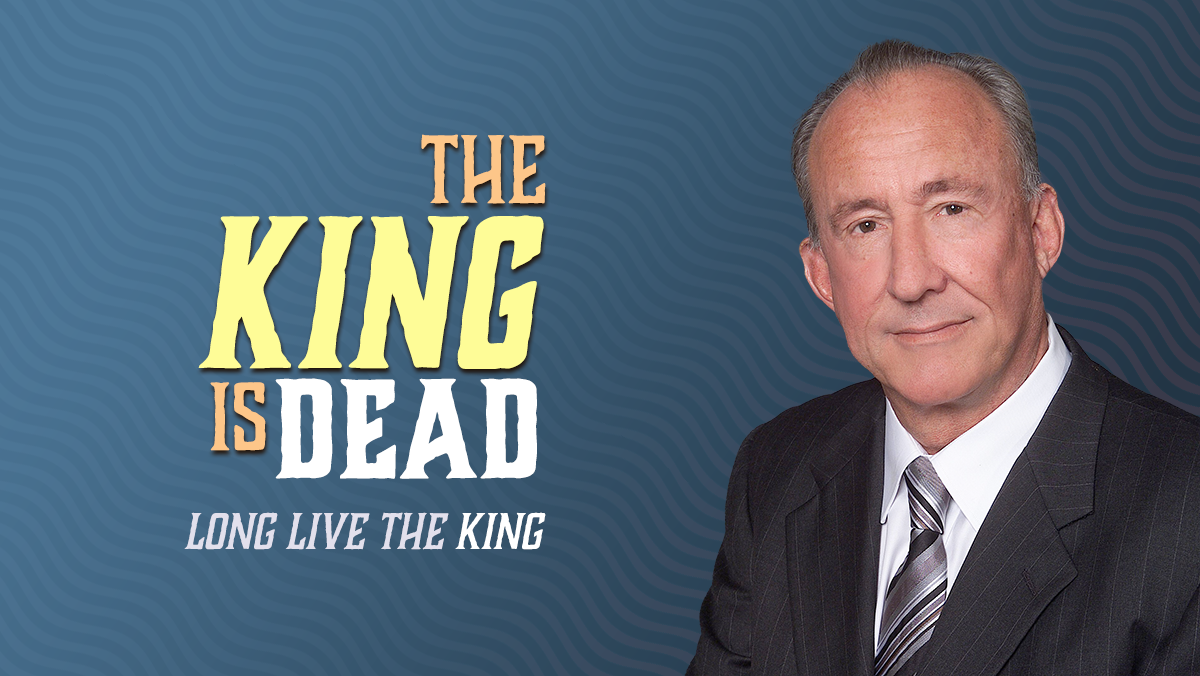
Lawrence Taylor passed October 4, 2023, at age 81. You may not know who he was because few lawyers are famous. He should be. The...
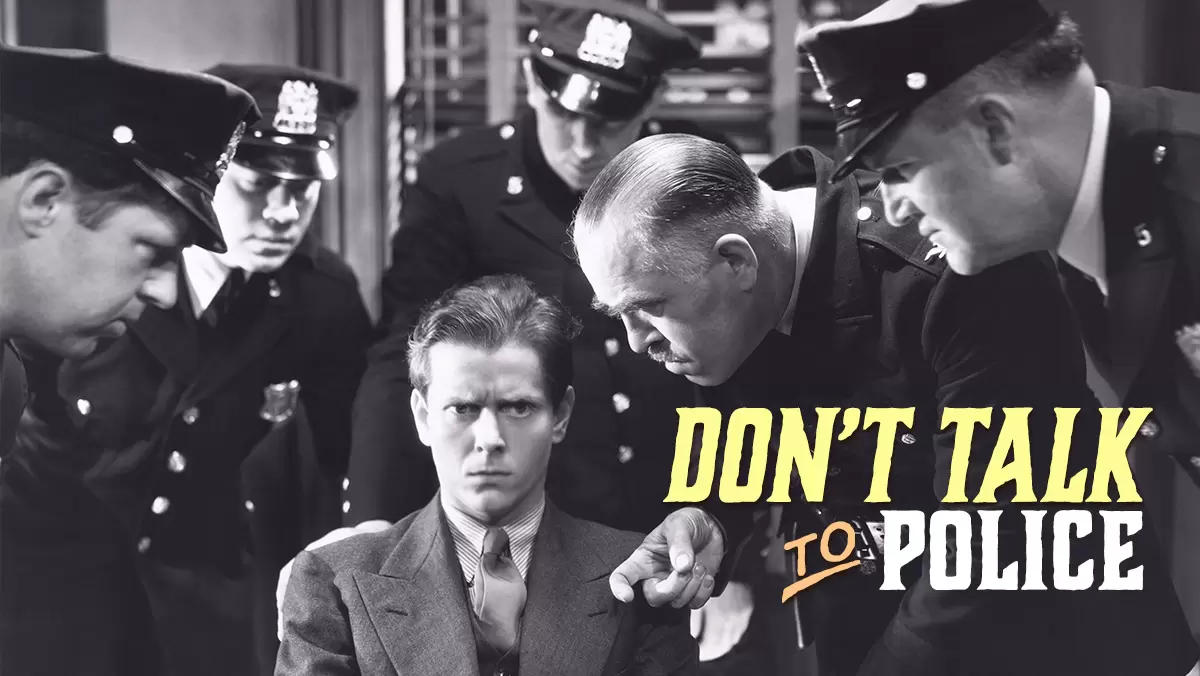
Don’t talk with the police. Talk with a criminal defense lawyer, instead. You’ll almost certainly be told by that attorney the same thing:...
Legal Strategy
© 2019-2024 Law Office of Phillip W. Goff. All Rights Reserved. Privacy Policy